

Hair loss
Losing your hair is not usually anything to be worried about, but it can be upsetting. Treatment may help with some types of hair loss.
Causes of hair loss
It's normal to lose hair. We can lose between 50 and 100 hairs a day, often without noticing.
Hair loss is not usually anything to be worried about, but occasionally it can be a sign of a medical condition.
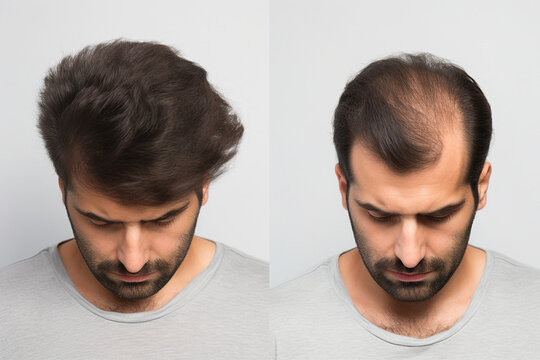
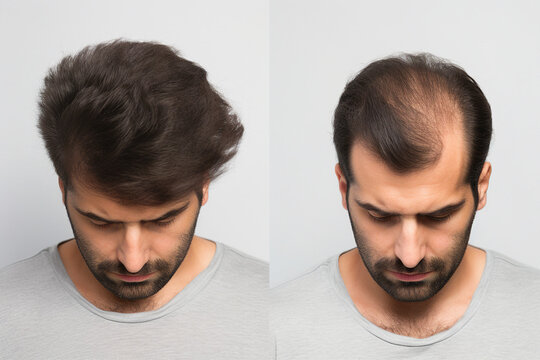
Some types of hair loss are permanent, like male and female pattern baldness. This type of hair loss usually runs in the family.
Other types of hair loss may be temporary. They can be caused by:
- an illness
- stress
- cancer treatment
- weight loss
- iron deficiency
Non-urgent advice:See a GP if:
- you're worried about your hair loss
What happens at your appointment
The GP may be able to tell you what's causing your hair loss by looking at your hair.
Tell them if your hair loss is affecting your wellbeing, and ask what treatments are available.
Important
See a GP to get an idea about what's causing your hair loss before thinking about going to a commercial hair clinic.
Treatment for hair loss
Most hair loss does not need treatment and is either:
- temporary and it'll grow back
- a normal part of getting older
Hair loss caused by a medical condition usually stops or grows back once you've recovered.
There are things you can try if your hair loss is causing you distress. But not all treatments are available on the NHS, so you may have to pay.
No treatment is 100% effective.
Finasteride and minoxidil
Finasteride and minoxidil are the main treatments for male pattern baldness.
Minoxidil can also be used to treat female pattern baldness. Women should not use finasteride.